What CBAM is
The Carbon Border Adjustment Mechanism puts a carbon cost on certain imports into the EU so that they compete on equal terms with EU production under the EU emissions trading system. It covers aluminium, iron and steel, cement, fertilisers, hydrogen and electricity.
What changed in 2026
The definitive period started on 1 January 2026. Importers of covered goods above the annual threshold need to be authorised CBAM declarants, report the embedded emissions of what they import, and surrender CBAM certificates for those emissions. The EU simplified the rules in 2025, including a mass-based threshold that exempts small importers. Check the current thresholds and deadlines with the European Commission's CBAM guidance before your first shipment.
Why embedded emissions now affect price
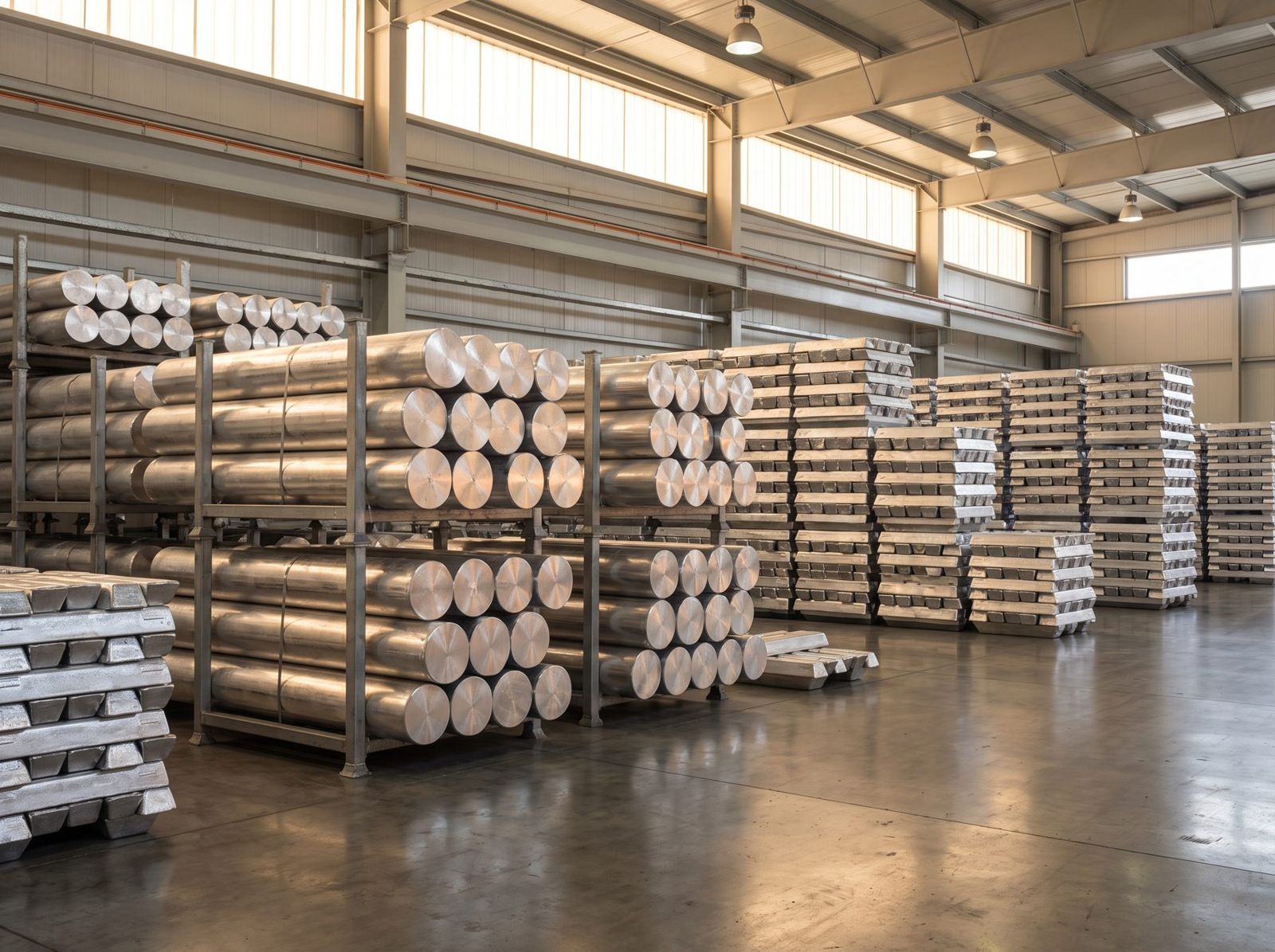
Two aluminium ingots with the same specification can now carry different costs at the EU border, depending on how much carbon was emitted to make them. Verified, lower-emission metal reduces the certificates an importer must buy. That turns the supplier's emissions data into part of the price.
What the UAE offers
UAE smelters operate at large scale with modern technology, and Emirates Global Aluminium markets aluminium produced with solar power under its CelestiAL brand. For EU buyers, the key is the documentation: installation-level emissions data that the importer can use in its CBAM declaration.
What to ask any aluminium supplier
- Installation-level embedded emissions data, direct and indirect
- Whether the data is verified, and by whom
- Product carbon footprint for the specific alloy and form
- Mill test certificates and origin documents for each lot
How Exportly helps
We collect the emissions data and certificates from the producer with each shipment, so your CBAM reporting has what it needs. Pilot orders from USD 150,000 let you test the metal and the paperwork before an annual contract.