Why European buyers look at the UAE
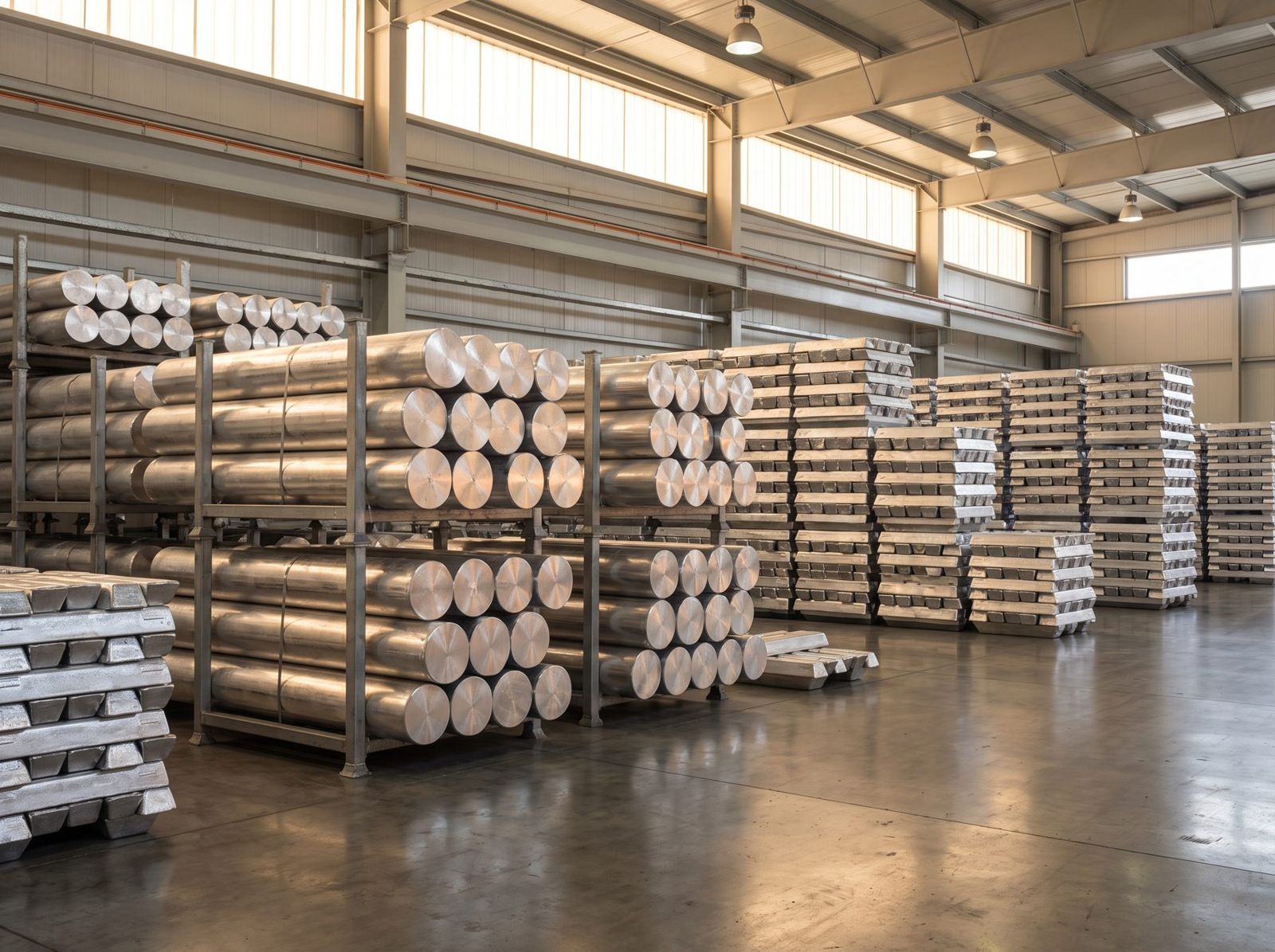
The UAE produces aluminium, polymers, cables, ceramics, building materials, food and medicines at world scale, with sea routes to Mediterranean and North European ports and a currency pegged to the US dollar. For distributors facing long Asian lead times, it is a practical second source.
Before the first order
- An EORI number for customs clearance in the EU.
- The HS code of each product, to confirm the import duty and any trade measures.
- Product standards: CE marking where it applies, EN standards for building products, food-safety rules for food.
- For aluminium, steel, cement and fertilisers: a CBAM declarant authorisation (see our CBAM guide).
Duties and trade status
There is no EU–UAE free-trade agreement in force yet; negotiations are under way. Imports therefore pay the EU's standard (most-favoured-nation) duty for the HS code, plus import VAT, which registered businesses normally recover. Some steel products are also subject to EU safeguard quotas, so check the quota status before quoting steel.
Documents that travel with every shipment
- Commercial invoice and packing list
- Bill of lading
- UAE certificate of origin
- Independent pre-shipment inspection certificate (quality and quantity)
- Product certificates: mill test certificates, halal certificates, analysis certificates as relevant
Shipping times
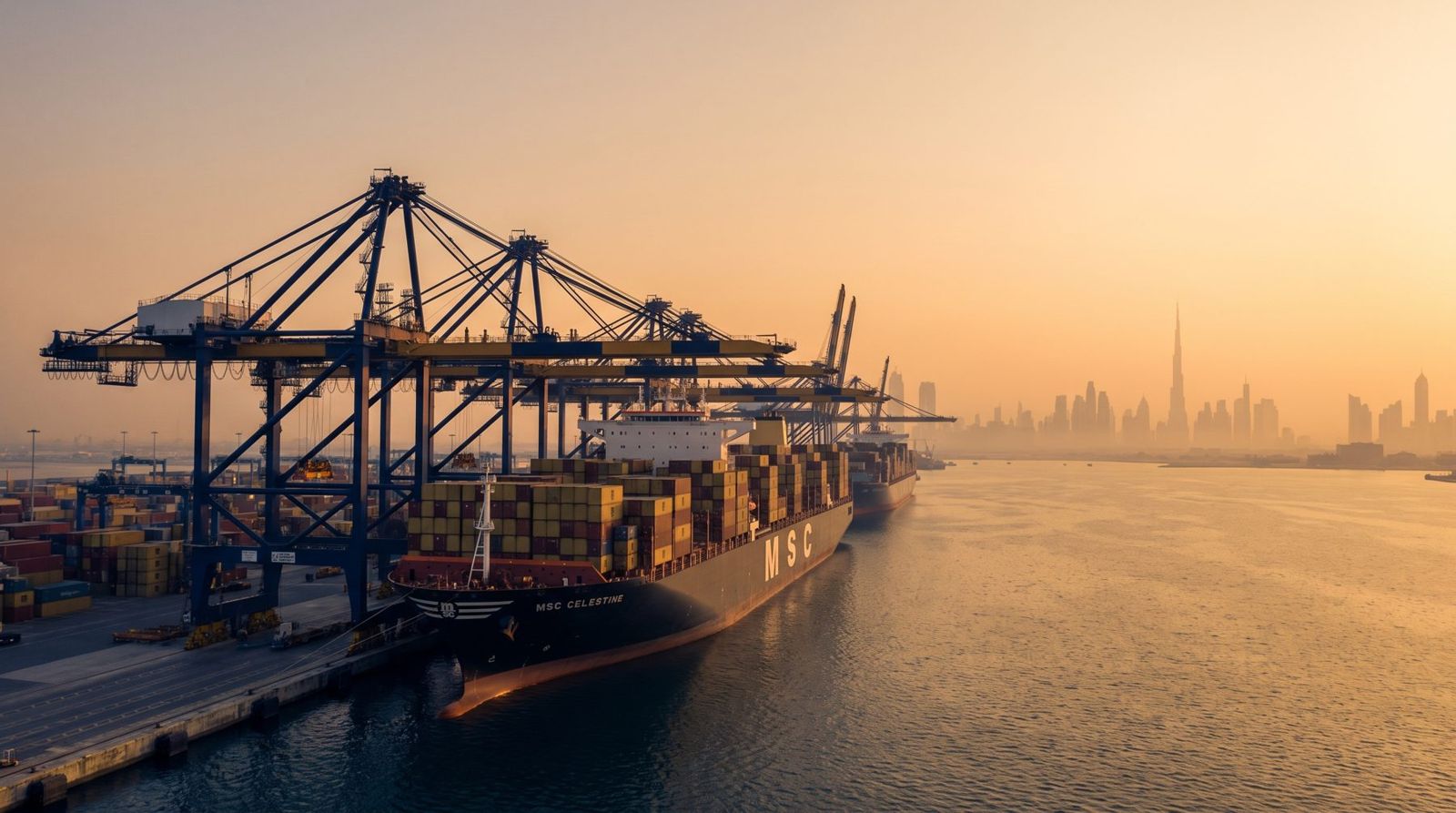
Container shipping from Jebel Ali or Khalifa Port to Genoa, Barcelona, Rotterdam or Antwerp typically takes three to five weeks, depending on whether vessels route through the Suez Canal or around Africa. Common Incoterms are FOB, CFR and CIF; DAP is possible for pilot orders.
Paying for the first order
A letter of credit protects both sides but ties up credit lines. Many distributors prefer deferred payment at 90 to 180 days, which Exportly arranges for approved buyers, including Sharia-compliant murabaha structures. Start with a pilot order to test the product, the documents and the service before signing an annual contract.